Equinox Broker Home

Category

Wealth Management

13 articles

Counterintuitive by Design: The Disciplined Logic Behind Selling Your Winners

Counterintuitive by Design: The Disciplined Logic Behind Selling Your Winners

Rebalancing demands that investors do something their instincts actively resist: reduce exposure to what is working and add to what is not. Understanding why this friction exists—and how to systematically overcome it—is one of the most consequential skills a long-term investor can develop.


Before the Storm Arrives: Engineering Your True Risk Tolerance While Markets Are Still Quiet

Before the Storm Arrives: Engineering Your True Risk Tolerance While Markets Are Still Quiet

Most investors overestimate how much turbulence they can endure — not because they are reckless, but because calm markets make every risk profile look reasonable. Discovering your authentic tolerance for loss requires deliberate stress-testing before volatility forces the conversation. This article presents a structured framework for separating the risk capacity you aspire to from the one you actually possess.

Not Too Hot, Not Too Cold: Calibrating Your Portfolio's Risk Temperature for Maximum Long-Term Gain

Not Too Hot, Not Too Cold: Calibrating Your Portfolio's Risk Temperature for Maximum Long-Term Gain

Most investors instinctively treat volatility as an enemy to be eliminated, yet portfolios stripped of all turbulence often underperform in ways that quietly erode long-term wealth. Understanding the optimal level of risk exposure for your specific profile and life stage can be the difference between a portfolio that merely survives and one that genuinely compounds. This article examines the evidence behind strategic volatility calibration and why zero-risk thinking carries its own hidden costs.

Order Over Average: Why the Timing of Market Losses Can Quietly Dismantle a Retirement Plan

Order Over Average: Why the Timing of Market Losses Can Quietly Dismantle a Retirement Plan

Most investors fixate on average annual returns when projecting retirement outcomes, yet the sequence in which those returns arrive can matter far more than the average itself. A portfolio that suffers significant losses in its earliest withdrawal years may never fully recover, regardless of how strong subsequent performance becomes. Understanding sequence-of-returns risk is not optional for anyone approaching or entering retirement—it is foundational.

The Diversification Mirage: How Crisis Conditions Erase the Protection You Counted On

The Diversification Mirage: How Crisis Conditions Erase the Protection You Counted On

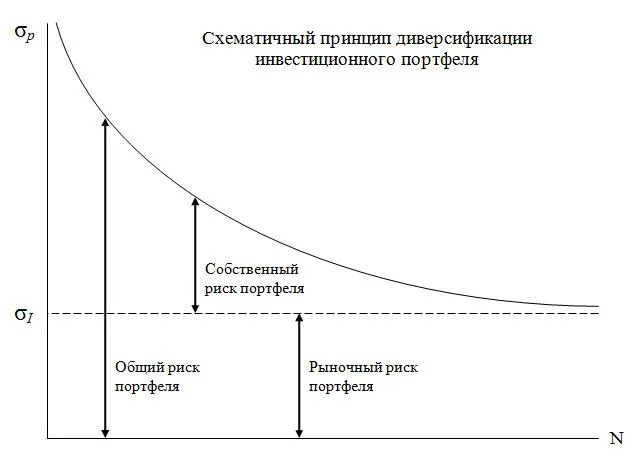
Diversification is among the most foundational principles in portfolio construction — yet it has a well-documented tendency to fail precisely when investors need it most. When markets enter genuine distress, asset correlations converge toward one, stripping portfolios of the protection their architects believed was firmly in place. Understanding why this happens — and how to build around it — is essential to durable wealth management.

When Winners Become Warnings: Recognizing the Overconfidence Hidden Inside Your Top Holdings

When Winners Become Warnings: Recognizing the Overconfidence Hidden Inside Your Top Holdings

The positions that have rewarded you most generously are often the ones demanding the sharpest scrutiny. Investors frequently mistake a stock's history of outperformance for a guarantee of future resilience, allowing conviction to quietly morph into dangerous overexposure. Understanding how this behavioral drift occurs — and how to counter it — is essential to protecting long-term wealth.

When Discipline Becomes a Liability: Rethinking Fixed Rebalancing in Sustained Bull Markets

When Discipline Becomes a Liability: Rethinking Fixed Rebalancing in Sustained Bull Markets

Systematic rebalancing is widely celebrated as the cornerstone of disciplined investing, yet in prolonged bull markets it can quietly erode the very gains it was designed to protect. Understanding when rigid allocation rules become counterproductive—and how to adapt without abandoning structure—is one of the more nuanced challenges facing today's investors. This piece examines the mechanics of that tension and offers a more dynamic approach to portfolio maintenance.

When Blue Chips Betray You: The Execution Risk Hidden Inside Large-Cap Liquidity During Market Stress

When Blue Chips Betray You: The Execution Risk Hidden Inside Large-Cap Liquidity During Market Stress

Large-cap stocks are widely regarded as the most liquid and reliable holdings an investor can own — but that assumption can unravel with alarming speed during margin call cascades and forced deleveraging events. This article examines how institutional flash crashes, bid-ask spread deterioration, and hidden slippage costs expose retail investors to execution risk precisely when they can least afford it, and outlines practical methods for stress-testing true portfolio liquidity before a crisis arr

When Averages Lie: How the Timing of Market Losses Can Unravel a Retirement Plan

When Averages Lie: How the Timing of Market Losses Can Unravel a Retirement Plan

A 7% average annual return sounds reassuring—until you examine when those returns actually arrive. For investors approaching or already in retirement, the sequence in which gains and losses occur can matter far more than the long-term average itself, potentially making the difference between a comfortable retirement and a depleted portfolio.

The Cost of Waiting for the Perfect Entry: Why Consistent Investors Outpace Market Timers

The pursuit of the perfect entry point is one of investing's most seductive and costly illusions. Decades of market data and behavioral research consistently reveal that investors who prioritize timing over discipline tend to underperform those who simply stay the course. This article examines the evidence, the psychology, and the practical strategies that separate wealth builders from sideline spectators.

Calibrating Your Portfolio: The Art of Balancing Growth and Stability Through Market Transitions

Calibrating Your Portfolio: The Art of Balancing Growth and Stability Through Market Transitions

Market transitions—whether driven by shifting monetary policy, geopolitical disruption, or seasonal economic cycles—demand more than reactive decision-making. At Equinox Broker, we believe the most resilient portfolios are those engineered around a principle of deliberate equilibrium, where aggressive growth positions and defensive anchors are held in precise, intentional tension. This deep-dive explores the frameworks, historical precedents, and tactical tools that can help investors maintain t